

Open and cabin boats both deliver enjoyable days afloat—but they organize shelter, social space, and weather flexibility differently. The better choice is the one that matches your climate, passenger mix, and how long you typically stay aboard.
What “open” usually emphasizes
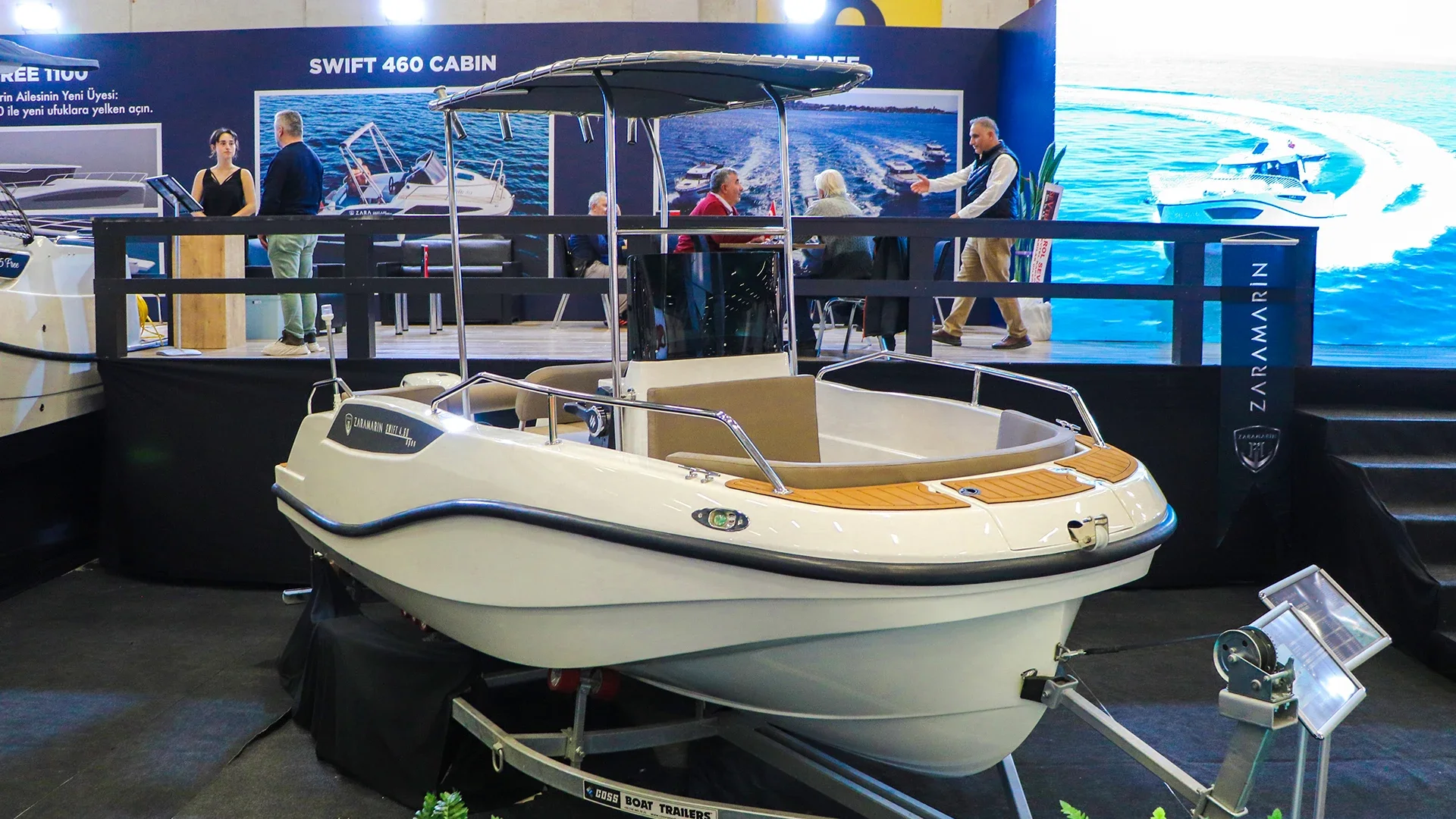
An open layout prioritizes deck living: easy circulation, social seating, and a direct connection to the water and sky. It suits short trips, swimming stops, and sunny-day hospitality. Models such as Swift 4.60 Open illustrate that compact, agile day-boat character.
Open does not mean unprotected by default—canopies and clever seating help—but overnight shelter and enclosed privacy are usually secondary to outdoor volume.
What a cabin layout adds
A cabin layout adds a protected interior for changing weather, resting, or short stays. That matters for families, cooler seasons, or outings that stretch into evening. Swift 4.60 Cabin shows how compact cabin comfort can sit alongside practical deck use.
Cabin space trades some open-deck volume for weather independence. Neither layout is universally “better”; each optimizes a different week.
Weather and season length
If most of your season is warm and dry, open layouts reward you with space. If winds, spray, or temperature swings are common, a cabin becomes a daily convenience rather than a rare luxury. Think about the months you actually boat, not only midsummer.
Family and guest use
Children and mixed-age groups often appreciate clear deck paths, secure handholds, and a place to warm up or change. Guests who prefer shade and seating comfort may lean cabin; guests who prioritize swimming and sun may lean open. Map a typical Saturday with your real crew.
Larger day-boat volume appears in 7.65 Free and 7.65 Free Series 2, which sit between compact Swift boats and the more residential feel of Free 1100.
Storage and gear
Fishing kit, water toys, bags, and food all need a home. Open boats often use clever deck lockers; cabin boats add interior stowage. Count your usual load before you decide based on appearance alone.
How to decide without overthinking
List three recent outings and note where you wanted more shelter or more open space. That pattern is more reliable than generic advice. Then compare two candidate layouts side by side on models.
Related reading and next steps
Choosing layout sits inside a wider purchase plan—see how to choose a motor yacht and fiberglass boat advantages. When you are ready, contact the team or continue exploring the blog.